Goddess Durga is one of the most respected and powerful figures in Hindu mythology. She symbolizes Shakti, the divine feminine force, and is worshipped as the ultimate protector of the universe and destroyer of evil. Her story is not only about a goddess but also about a cosmic power born to restore balance in the face of growing darkness.
According to the Devi Mahatmya, a key text in the Markandeya Purana, Durga was created by the combined energies of the holy Trinity, Brahma, Vishnu, and Shiva, along with other gods. The gods felt helpless against a powerful demon named Mahishasura, who had received a boon that no man or god could kill him. Drunk with power, Mahishasura defeated the gods and took over the heavens, plunging the world into chaos.
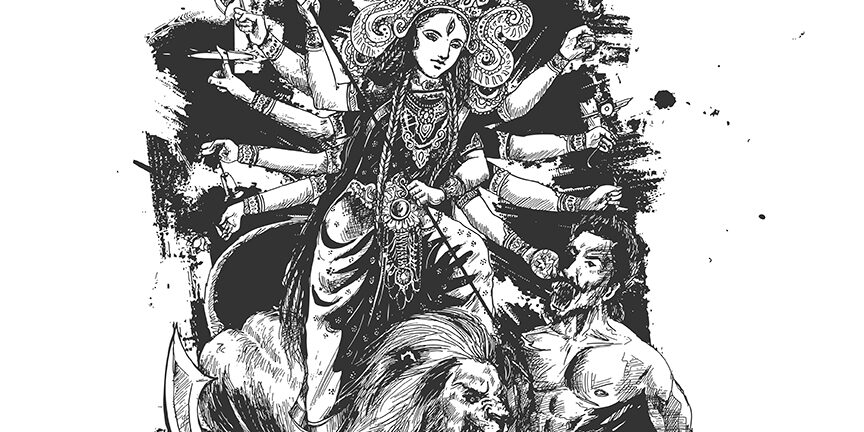
To fight him, the gods released their energies, which combined to form a brilliant light. From this light emerged a radiant, ten-armed warrior goddess: Durga. Each god gave her their most powerful weapon. Shiva provided his trident, Vishnu his discus, Indra his thunderbolt, and so on. Her mount was a lion, symbolizing strength, courage, and determination.
Durga’s battle with Mahishasura spanned nine epic days and nights. On the tenth day, she finally defeated and killed the shape-shifting demon, restoring order to the universe. This victory is celebrated as Vijaya Dashami or Dussehra, marking the triumph of good over evil.
Durga is not just a warrior; she is also a mother, a nurturer, and the cosmic womb from which life originates. She takes on many forms, such as Mahakali (the fierce), Saraswati (the wise), Lakshmi (the prosperous), and Parvati (the gentle consort of Shiva). Each of these reflects her multidimensional nature.
Iconographically, Durga is often shown riding a lion or tiger, with ten arms holding weapons and symbols of power. Her calm face amidst the storm of battle shows that true power comes with inner peace and purpose.
In Bengal, and increasingly around the world, Durga Puja is celebrated with great splendor. It is not only a religious event but also a social, artistic, and cultural celebration of feminine energy, resilience, and creativity. The creation of clay idols, elaborate pandals, traditional music, dance, and communal feasting all come together to honor this timeless myth.
Philosophically, Durga’s mythology teaches us that evil can appear as ambition, greed, or ego, and that the divine feminine within everyone has the strength to overcome it. She reminds us that true strength is not the absence of compassion but the presence of purpose and righteousness.
From mythology to modernity, Durga continues to inspire millions as a symbol of empowerment, courage, and spiritual awakening. Her legend lives on, not just in temples or scriptures but in every heart that chooses truth over fear and justice over oppression.
Bengali Version:
দেবী দুর্গা কে? — পৌরাণিক কাহিনির এক অমর শক্তির রূপ
দেবী দুর্গা হিন্দু ধর্মে একজন সর্বশক্তিময়ী দেবী, যিনি শক্তির প্রতীক, অসুর নিধনকারী এবং বিশ্বের রক্ষাকর্ত্রী। তিনি কেবল একটি মূর্তি বা উপাস্য নন, বরং এক মহাশক্তির প্রতিভূ, যাঁর জন্ম হয়েছিল অন্যায়, অন্ধকার ও অবিনাশী শক্তির বিরুদ্ধে লড়াই করার জন্য।
পুরাণ মতে, এক দানব রাজা ছিল মহিষাসুর, যিনি কঠোর তপস্যা করে ব্রহ্মার কাছ থেকে বর লাভ করেন — কোনো মানুষ বা দেবতা তাকে বধ করতে পারবে না। এই বর পেয়ে, মহিষাসুর স্বর্গ দখল করে নেয় এবং দেবতাদের পরাজিত করে বিশ্বে হাহাকার সৃষ্টি করে।
দেবতারা যখন সমস্ত শক্তি হারিয়ে ফেলেন, তখন তাঁদের সম্মিলিত শক্তি থেকে জন্ম নেন এক অতিমানবীয় দেবী — দুর্গা। প্রতিটি দেবতা তাঁকে একটি করে অস্ত্র দান করেন — শিবের ত্রিশূল, বিষ্ণুর চক্র, ইন্দ্রের বজ্র, ইত্যাদি। তাঁর বাহন হয় সিংহ — সাহস ও শক্তির প্রতীক।
দেবী দুর্গা ও মহিষাসুরের যুদ্ধ চলে নয়দিন ও নয়রাত, যেটি আজও নবরাত্রি ও দুর্গোৎসব হিসেবে পালন করা হয়। দশম দিনে, দেবী দুর্গা মহিষাসুরকে বধ করেন এবং পৃথিবীতে শান্তি ও ধর্ম প্রতিষ্ঠা করেন। এই দিনটিই বিজয়া দশমী, যা সত্যের উপর অশুভের পরাজয় বোঝায়।
দেবী দুর্গা শুধু একজন যুদ্ধের দেবী নন, তিনি মা, সৃষ্টি ও স্নেহের উৎস। তিনি নানা রূপে আবির্ভূত হন — মহাকালী (উগ্র), সরস্বতী (জ্ঞানের), লক্ষ্মী (সমৃদ্ধির), পার্বতী (মমতার)। প্রতিটি রূপেই তিনি মানব জীবনের বিভিন্ন দিককে প্রতিনিধিত্ব করেন।
দেবীর দশটি হাতে দশটি অস্ত্র থাকলেও, তাঁর মুখ সর্বদা শান্ত। এটি নির্দেশ করে যে প্রকৃত শক্তি আসে ধৈর্য ও উদ্দেশ্যবোধ থেকে। সিংহবাহিনী এই দেবী আমাদের শেখান, অন্যায়ের বিরুদ্ধে রুখে দাঁড়ানো মানেই ভয় বা রাগ নয় — বরং সচেতন শক্তির ব্যবহার।
বাংলায় দুর্গাপূজা শুধু একটি ধর্মীয় অনুষ্ঠান নয়, এটি এক সামাজিক, সাংস্কৃতিক ও অর্থনৈতিক আন্দোলন। প্রতিমা তৈরি থেকে প্যান্ডেল সাজানো, আরতি, ভোগ, ধুনুচি নাচ — প্রতিটি পর্যায়ে মিশে থাকে বাঙালির আত্মা।
দেবী দুর্গার পৌরাণিক কাহিনি আমাদের মনে করিয়ে দেয়, জীবনে অন্যায়, অহংকার, লোভ রূপে আসা “মহিষাসুর” গুলিকে আমাদের নিজস্ব শক্তি (শক্তি বা শাক্তি) দিয়েই প্রতিহত করতে হবে।
তাঁর পূজা কেবল ভক্তির প্রকাশ নয় — এটি আত্মবিশ্বাস, নারীর শক্তি, এবং ন্যায়ের প্রতি অঙ্গীকারের উৎসব। দেবী দুর্গা সেই চেতনার নাম, যা যুগে যুগে মানব সভ্যতাকে জাগিয়ে তোলে।