Mahishasura as the Eternal Metaphor of Disorder

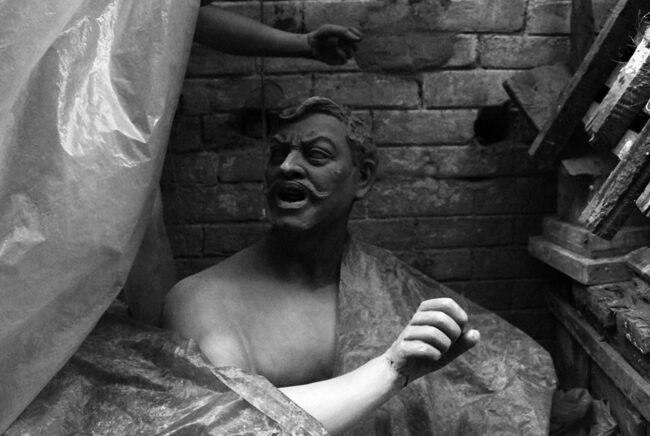
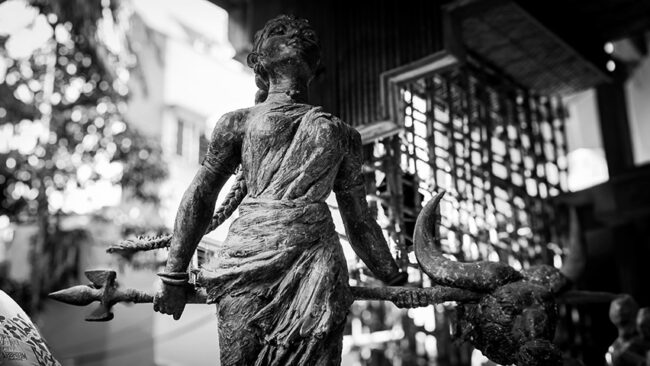
Mahishasura In Hindu scriptures, Mahishasura was an asura. Mahishasura’s father Rambha was king of the asuras, and he once fell in love with Princess Mahishi, who was cursed to be a water buffalo; Mahishasura was born out of this union. He is, therefore, able to change between human and buffalo form at will (mahisha is Sanskrit word for buffalo). The two demon brothers Rambh…

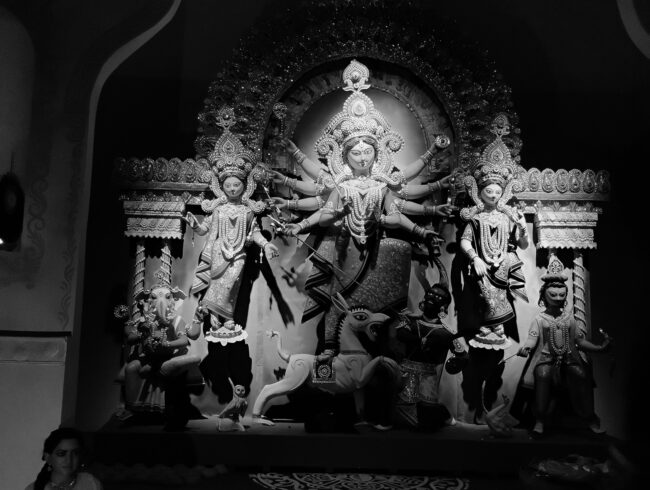
Ten Arms, Thousand Themes: Kolkata’s Durga Puja as Living Museum

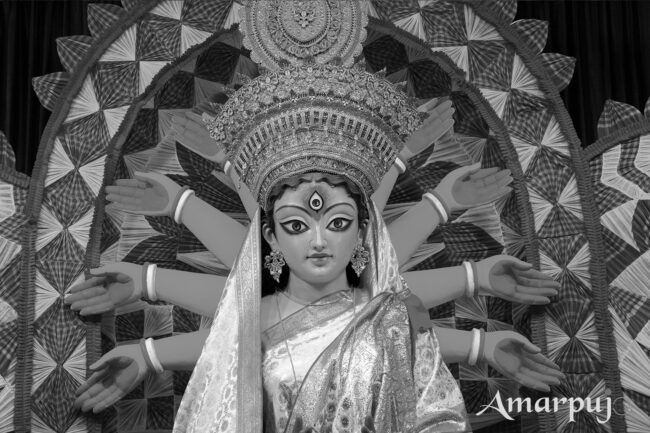
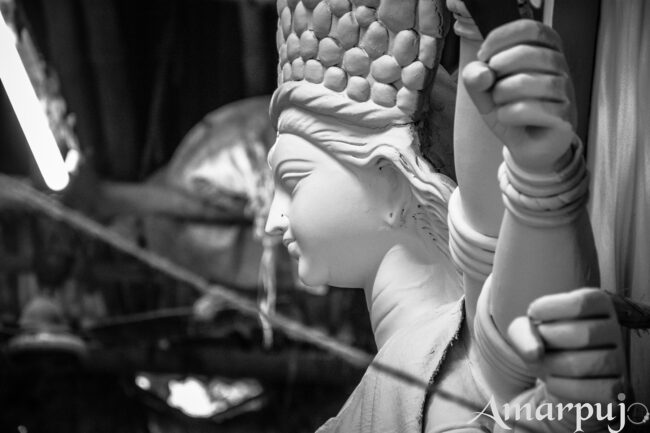
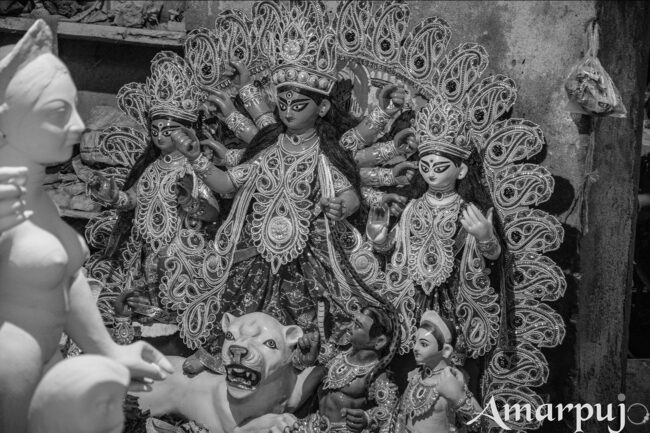
For a few incandescent days each autumn, Kolkata stops being a city and remembers it is a story. The pavements turn into footnotes, the avenues into chorus lines, and every neighborhood—para, lane, bylane—becomes a luminous stanza in the poem of Durga Puja. Clay breathes. Bamboo whispers. The conch calls. And the Mother arrives—not only as…

The Evolution of Durga Puja in Bengal

Mythical and Scriptural Roots: The worship of goddess Durga originates from ancient Hindu scriptures, especially the Devi Mahatmya (part of the Markandeya Purana, roughly composed by the 5th-6th century CEM. This text celebrates the divine feminine power (Shakti) who defeats the buffalo demon Mahishasura, symbolizing cosmic victory of good over evil. Early Bengal Practices: While…

Kumartuli-Clay, Tradition, and Craft

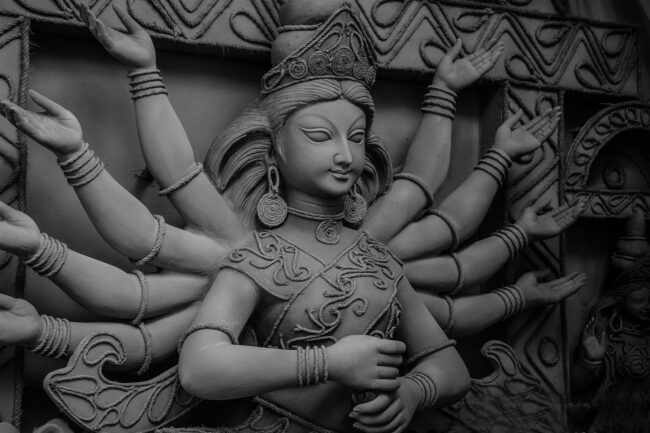
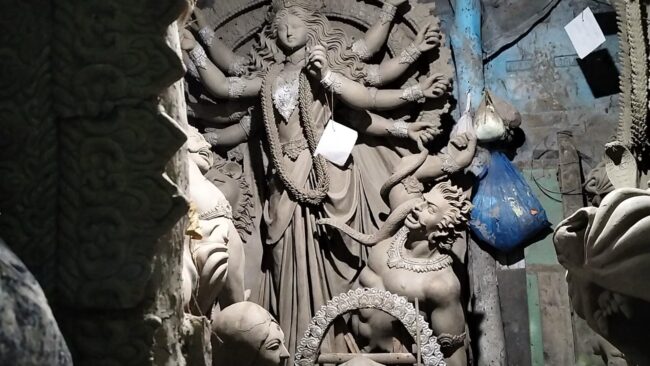
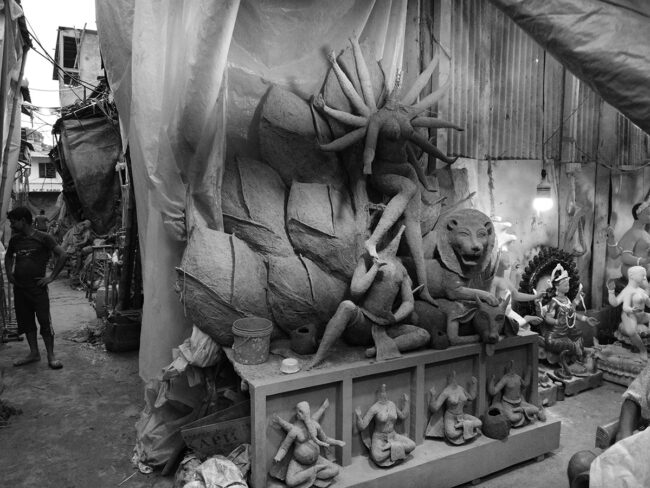
Kumartuli, which translates to “the potters’ quarter,” emerged in North Kolkata during the late 18th century, following the British establishment of Fort William after the Battle of Plassey in 1757. In the aftermath, the British administration organized the city by allocating specific neighborhoods to various artisan communities, designating Kumartuli for potters and idol-makers. Initially, Kumartuli…