
- The central literary foundation of Durga Puja is the Devi Mahatmya, a narrative embedded within the Markandeya Purana and dated to approximately 400–600 CE. This text, which recounts the goddess Durga’s triumph over Mahishasura, remains integral to the ritual recitations performed during the festival.
- Pinpointing the precise origins of public Durga Puja celebrations in Bengal is challenging. However, ritual manuals and references—such as the Durgotsavaviveka and Durgotsava Prayoga—dating from the 11th to 14th centuries, demonstrate the existence of an established tradition of Durga worship long before the onset of the early modern period.
- By the 16th century, historical records indicate that royal and elite patronage was instrumental in expanding Durga Puja festivities. This period marks a transition from intimate, domestic observances to increasingly grand public celebrations orchestrated by aristocratic households.
- The evolution of community-based, or “sarbojanin/baroari,” Durga Puja celebrations occurred gradually. What began as family or household rituals developed into large-scale public events featuring elaborate temporary structures (pandals) and extensive illumination. Scholarly accounts differ regarding the earliest examples of such public revivals: some suggest as early as 1411 CE, while others cite late-16th-century landlord-led festivities as the major turning point.
- During the medieval era, both Durga and Kali worship gained significant prominence in Bengal. Scholars frequently associate this rise with prevailing sociopolitical conditions, particularly periods of invasion or marginalization, positing that Puja served vital roles in both religious devotion and the consolidation of community identity.
- The immersion (visarjan) processions became a defining feature of public celebration. Nineteenth-century European observers documented these processions in Bengal, noting similarities with contemporary Muharram rituals and highlighting the shared performative and communal character of such events.
- The public and community character of Durga Puja solidified further during the colonial era, characterized by increasingly elaborate pandals, thematic artistry, and civic processions. The festival thereby transformed into a major socio-cultural event, far surpassing its domestic origins.
- In the 20th and 21st centuries, Durga Puja in Kolkata expanded into a citywide spectacle, distinguished by innovative design, craftsmanship, lighting, and performance. For instance, over 4,500 pandals were recorded during the five-day festival period in 2016.
- The festival’s reach has long extended beyond Bengal. By the early 20th century, public Durga Pujas had been established outside the region—Delhi’s first community Puja was held in 1910—and today, the celebration has achieved a truly global presence, wherever Bengali communities reside.
- Durga Puja stands as the principal festival for Bengali Hindus, particularly in West Bengal, with Kolkata serving as its epicenter. The festival spans ten days in the month of Ashvin (September–October), though the primary public observances occur during the final five days.
- The festival’s ritual calendar is marked by key observances: Mahalaya initiates the celebrations with the invocation of the goddess; Shashthi signals her ceremonial awakening; Saptami is notable for the ritual bathing of the Nabapatrika; Ashtami features the Pushpanjali and the Sandhi Puja; Navami involves sacred fire rituals and community feasts; and Dashami culminates in the Sindoor Khela and the immersion (visarjan) of the idols.
- The evolution of Durga Puja has seen a shift from private celebrations among zamindar (landlord) households to public, community-based “baroari” or “sarbojanin” pujas in the 20th century. Today, the festival serves not only as a religious observance but also as a major showcase for Bengal’s craftsmanship, artistic innovation, and performing arts. It draws millions of visitors annually and contributes significantly to regional tourism.
- The festival’s conclusion, known as Vijayadashami, is marked by emotional farewell processions and the immersion of the idols, symbolizing the goddess’s return to her celestial abode at Kailash.
- UNESCO officially included “Durga Puja in Kolkata” on its Representative List of the Intangible Cultural Heritage of Humanity during its 16th session in December 2021. This recognition underscores the festival’s distinctive community-driven creativity and the broad, inclusive participation that defines the celebrations throughout the city. The inscription highlights Durga Puja as a significant example of collective cultural expression and artistic engagement within Kolkata.
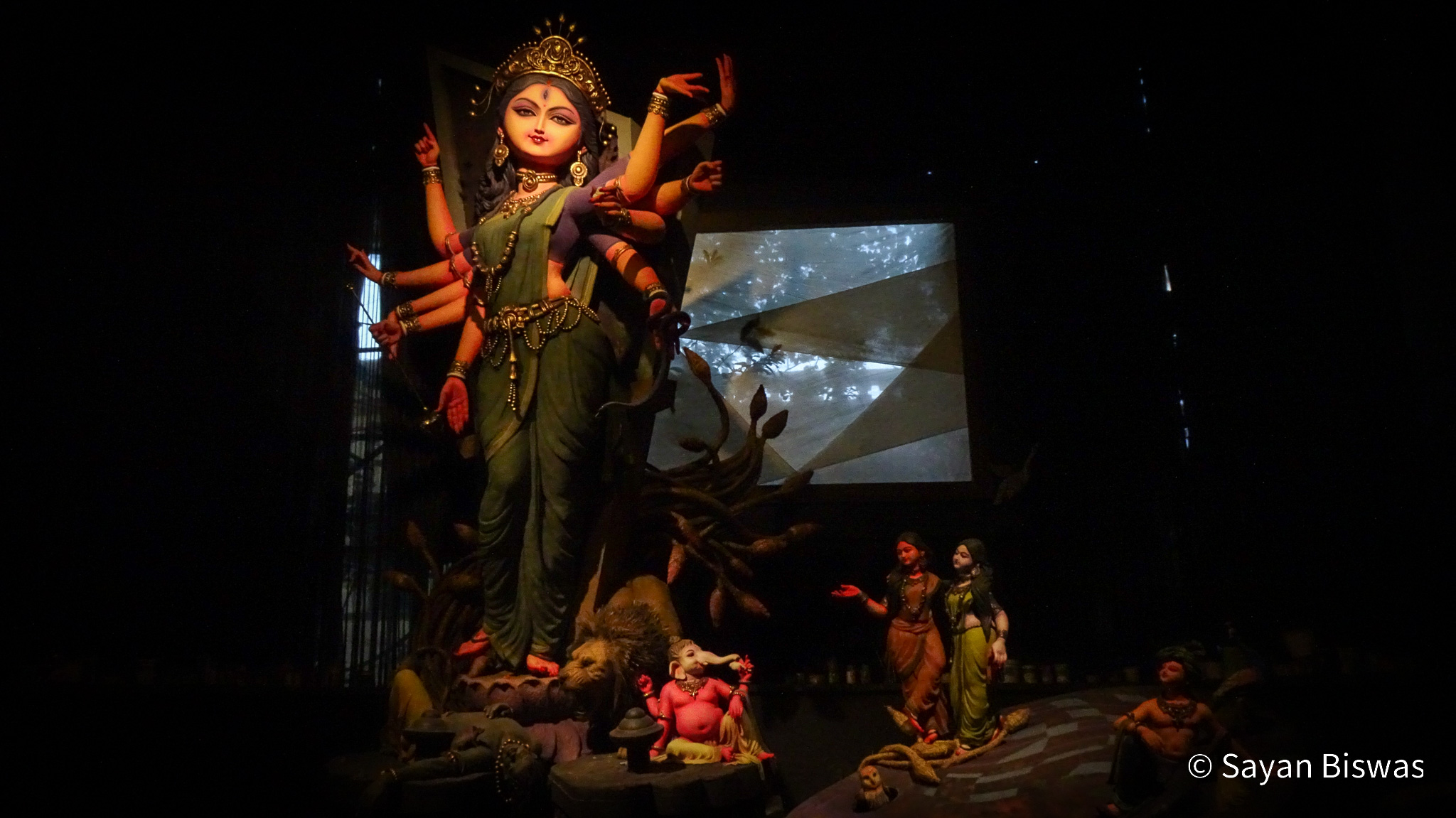
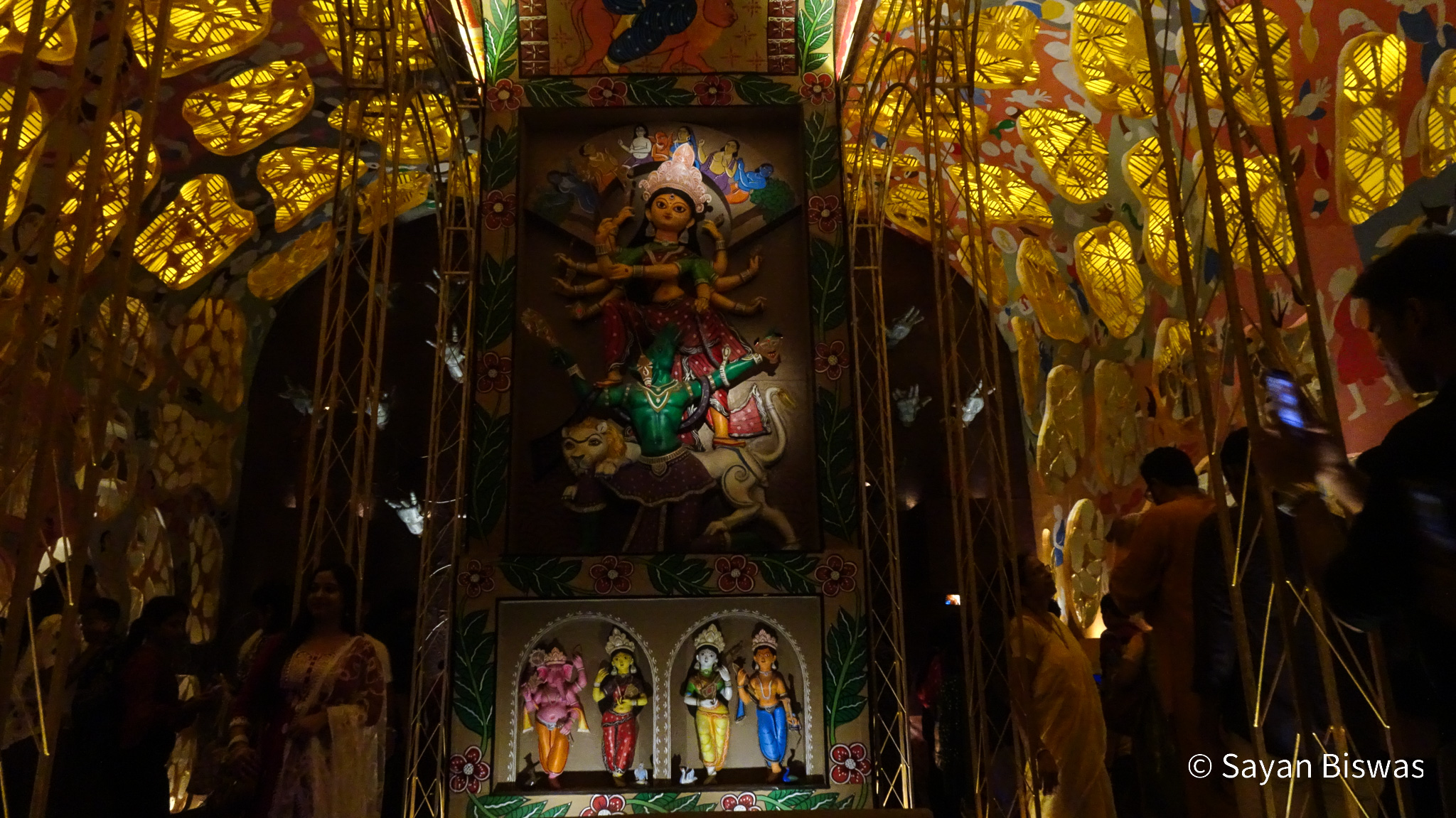
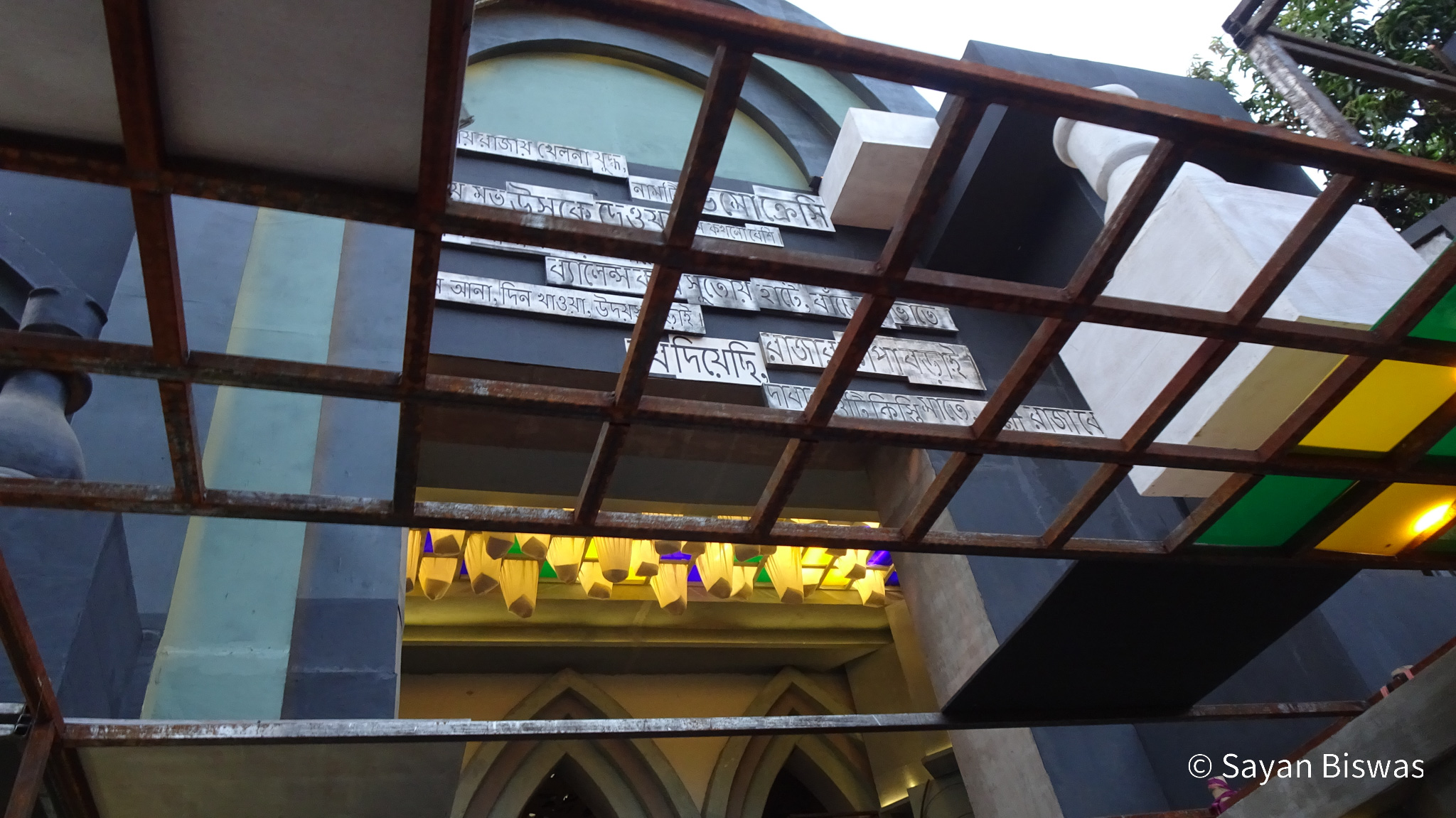
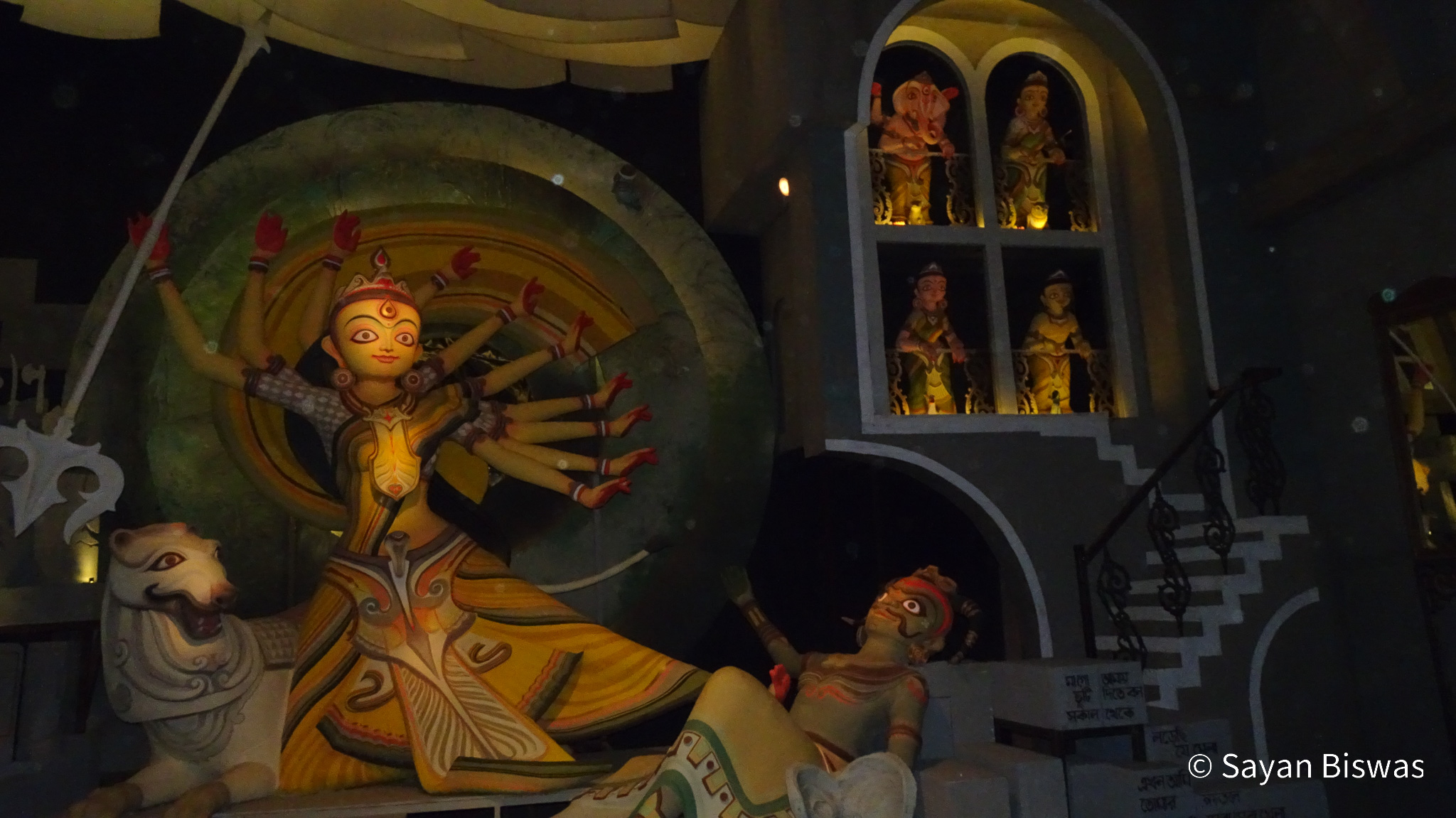
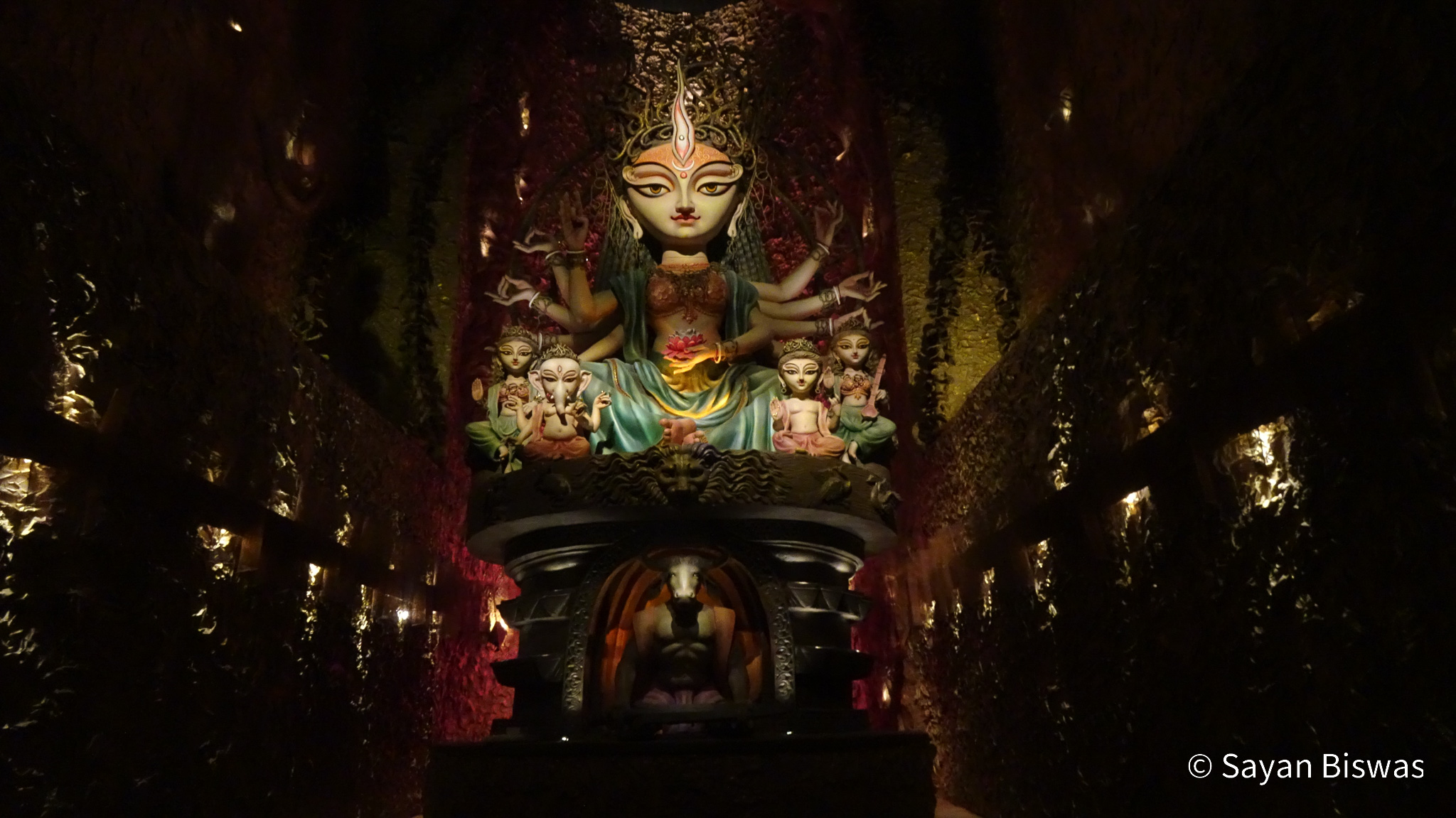
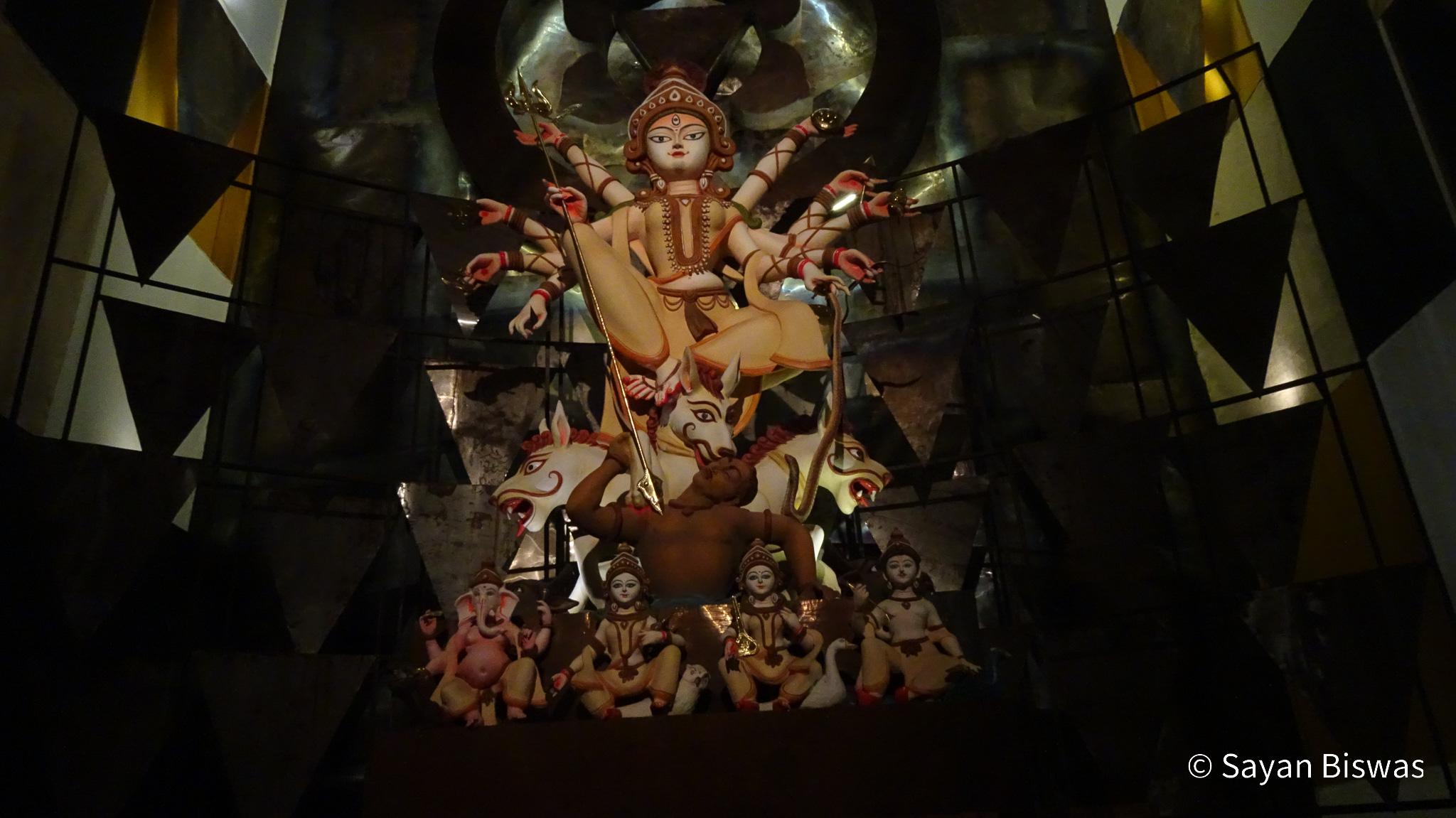
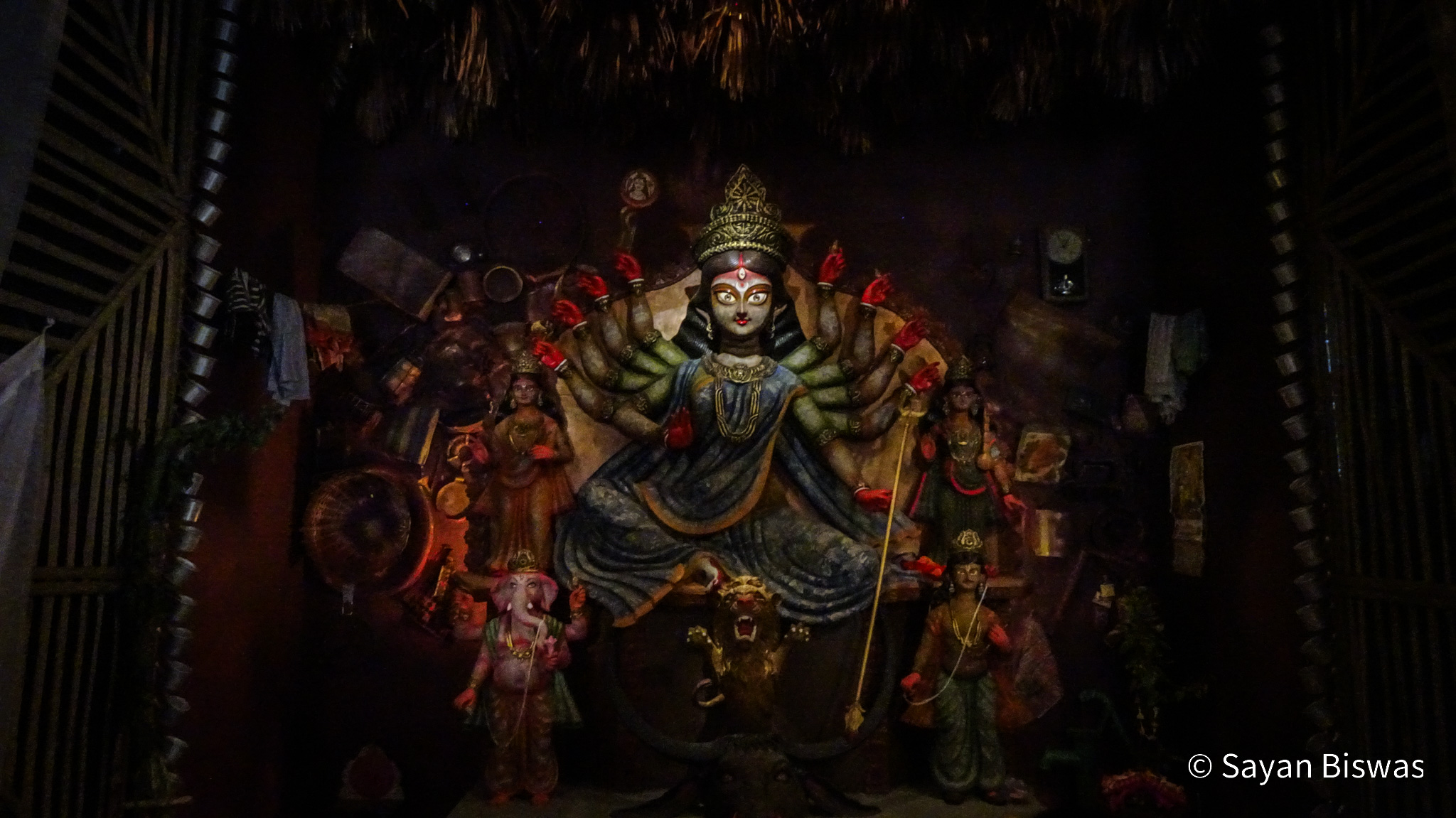
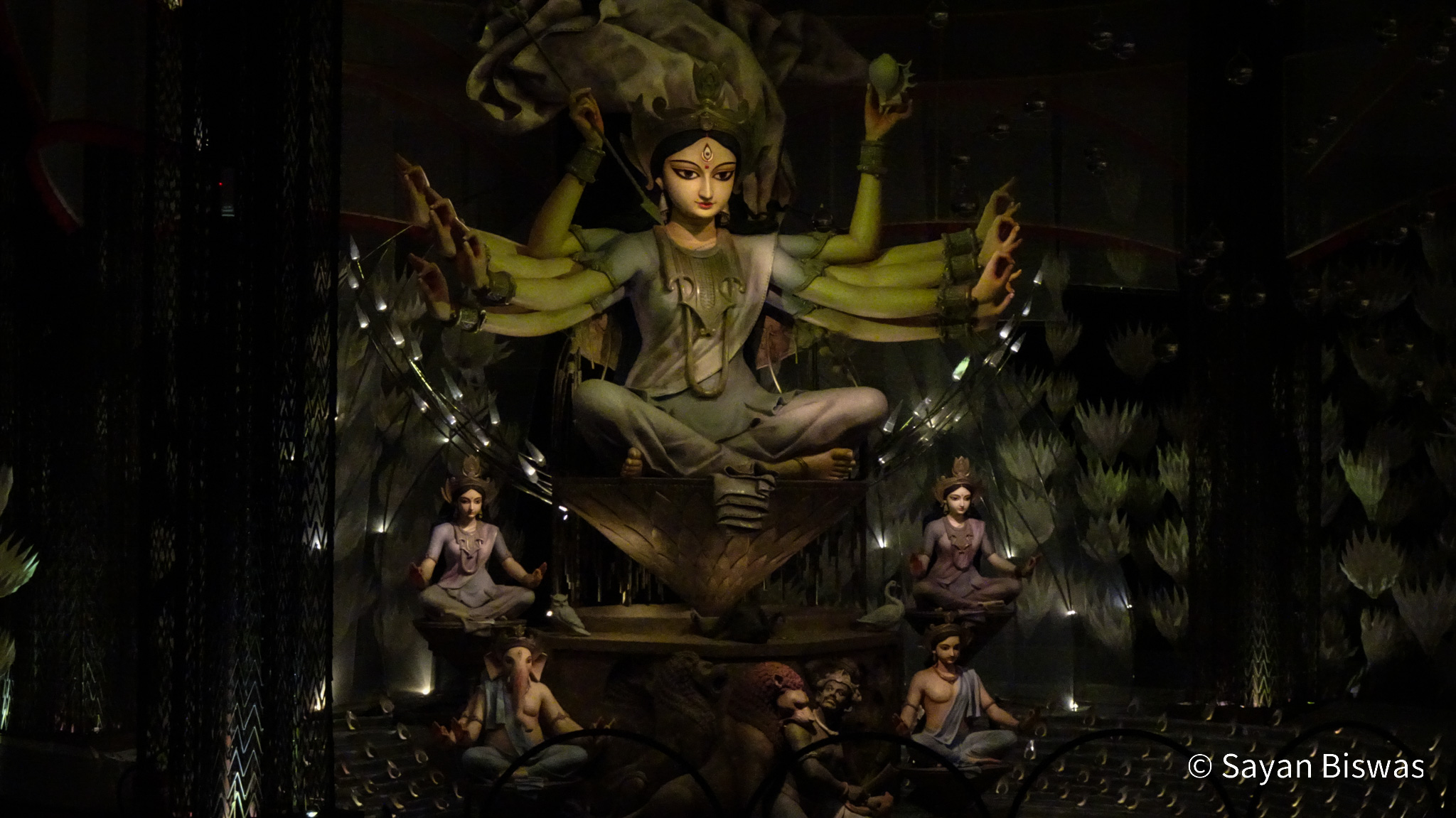
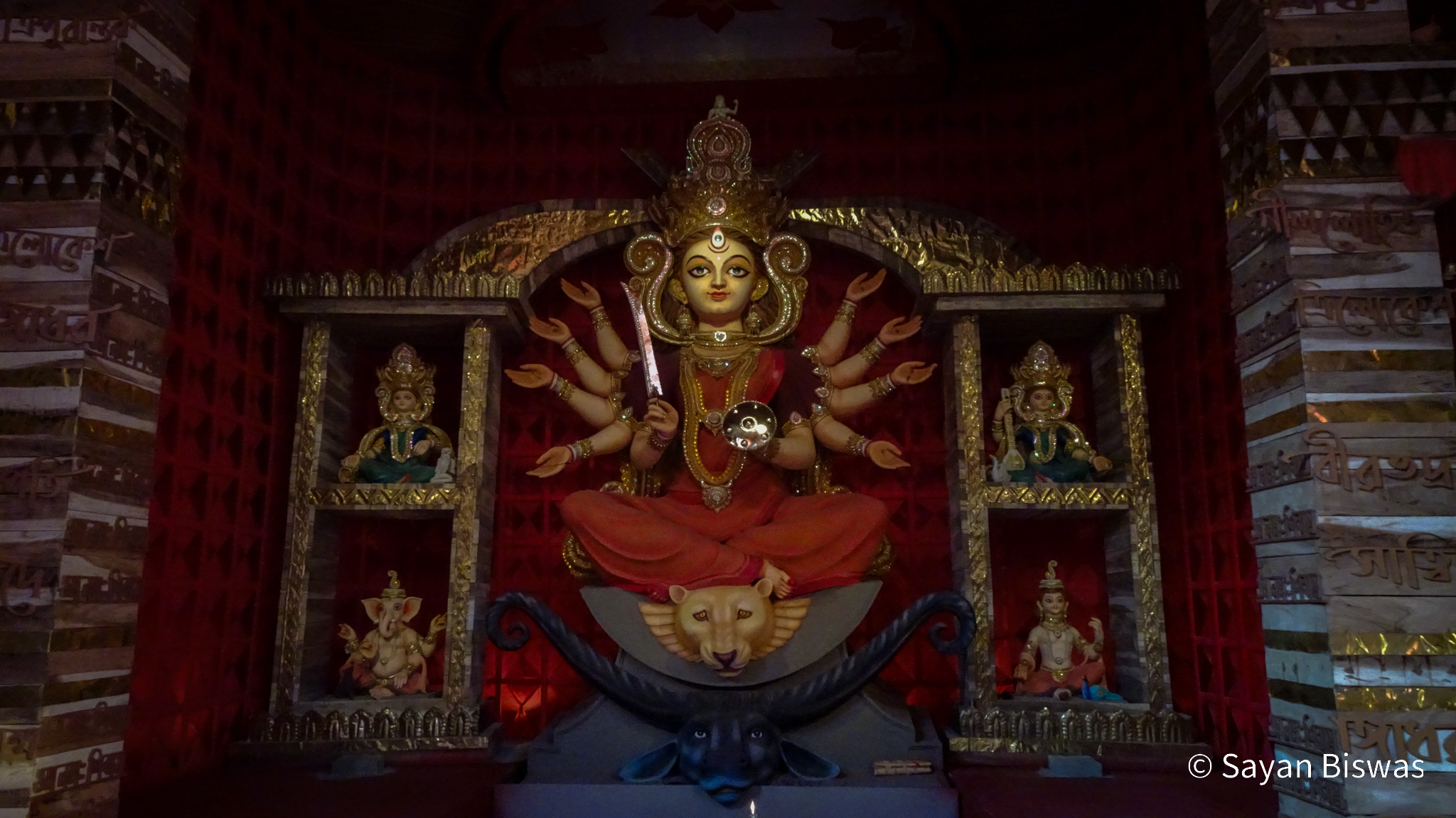
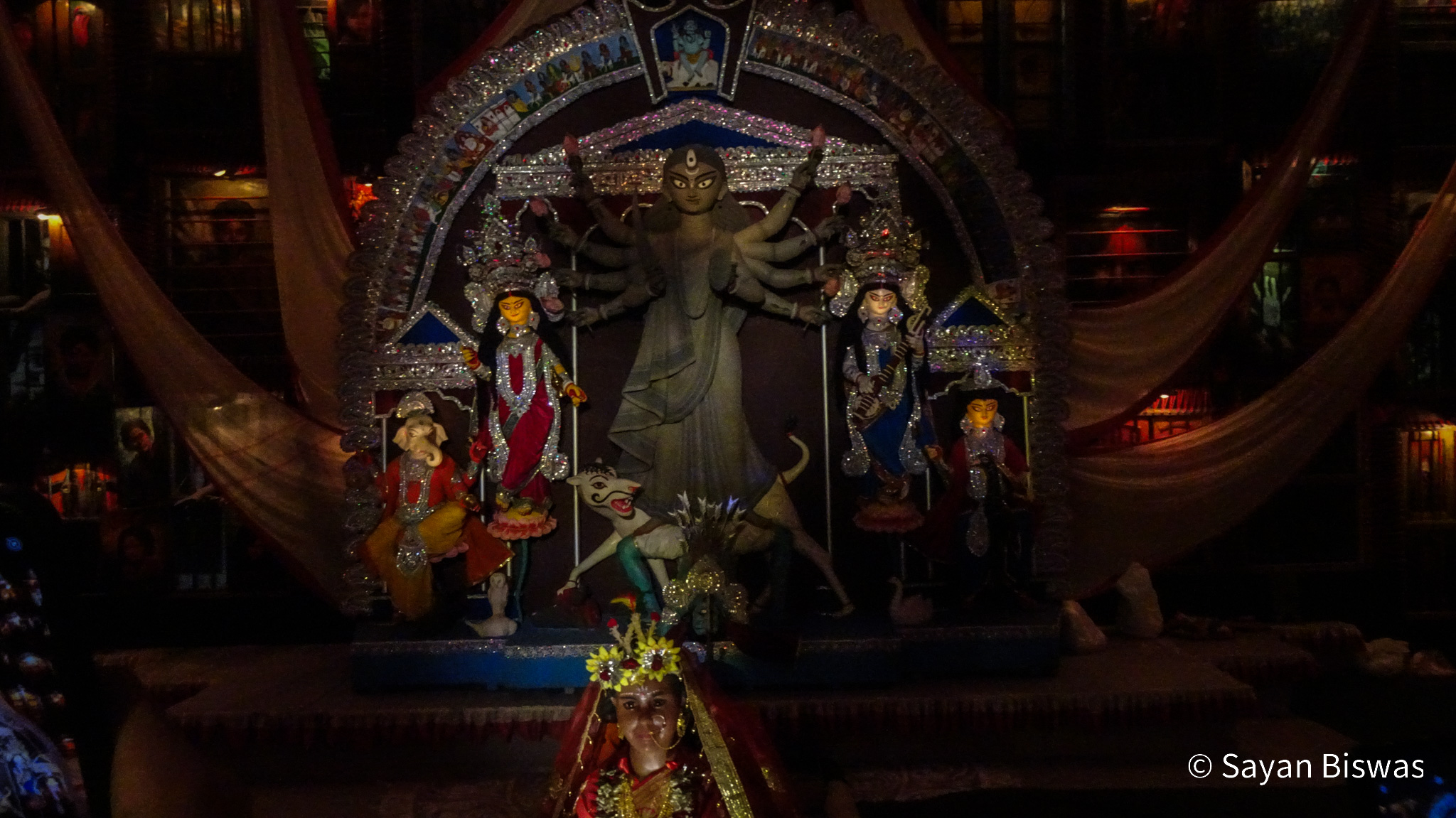
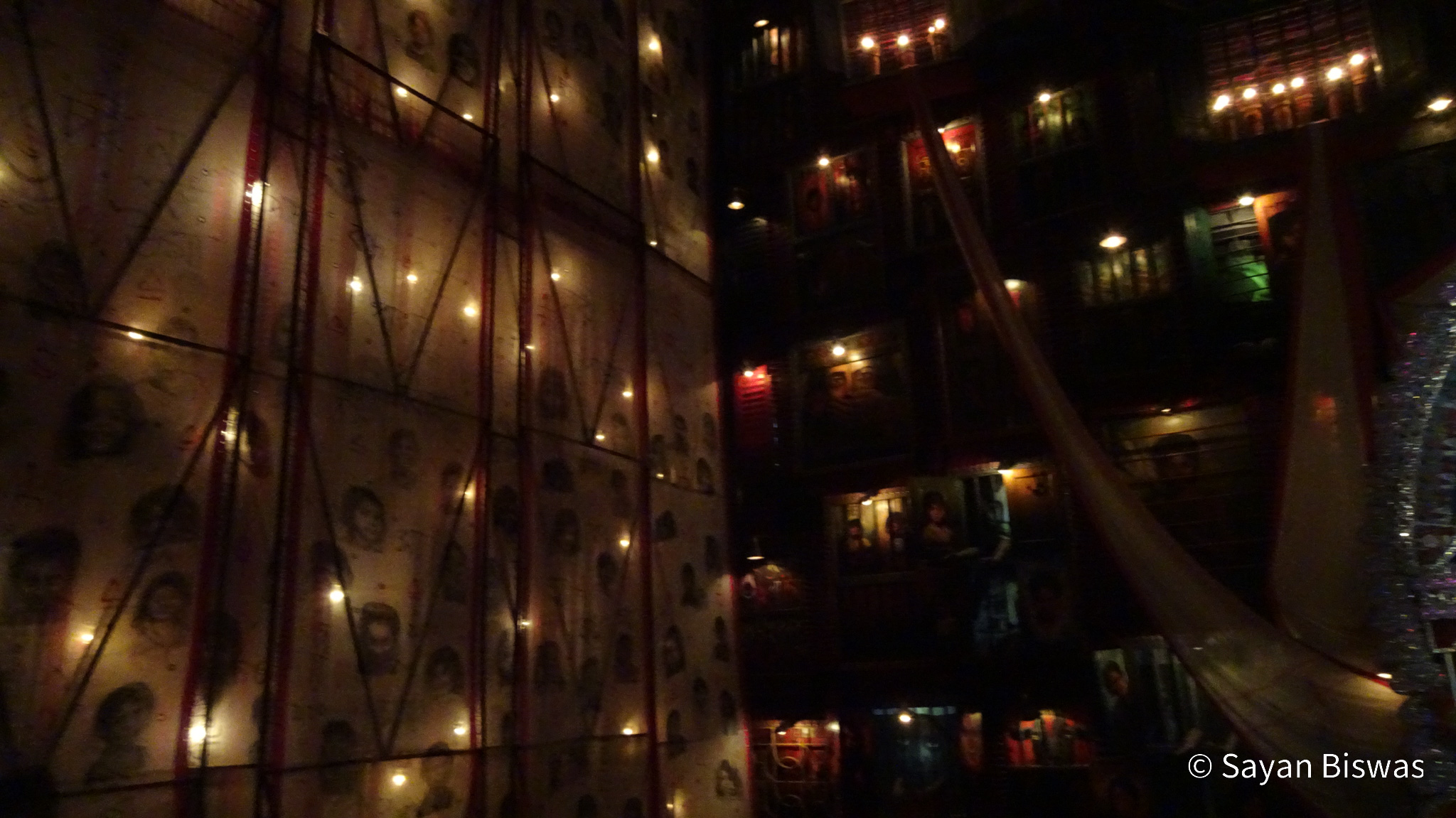
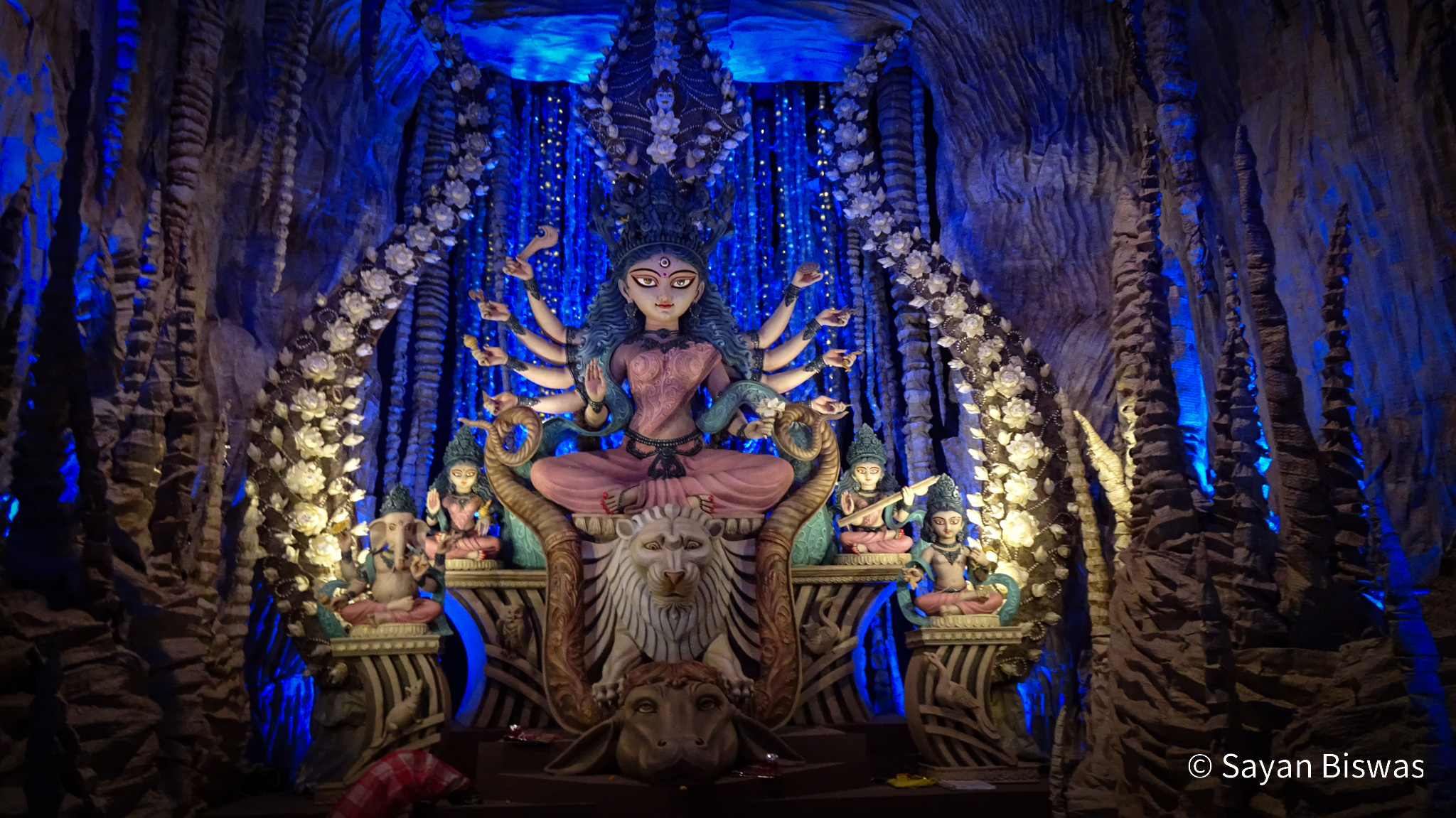
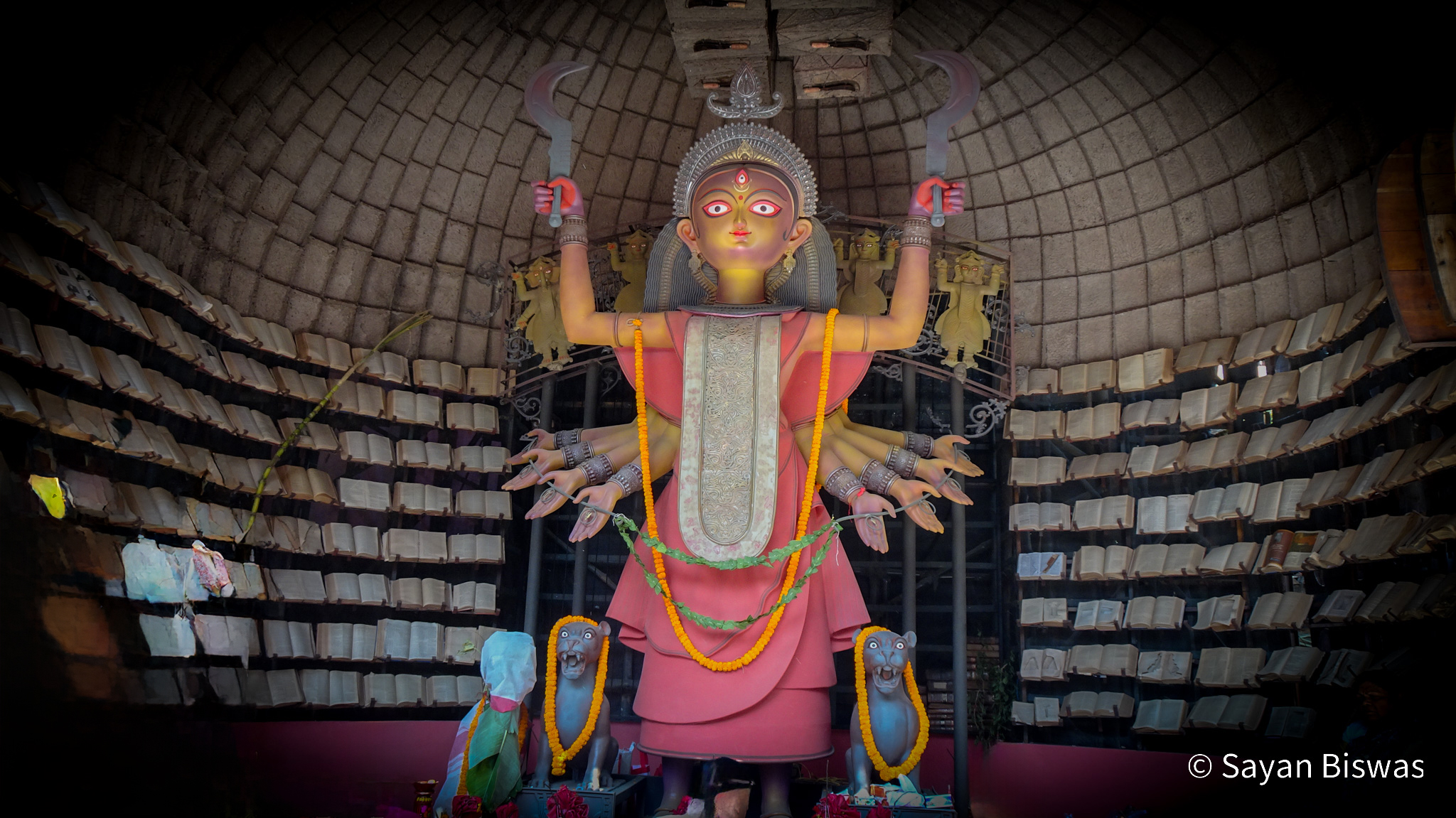
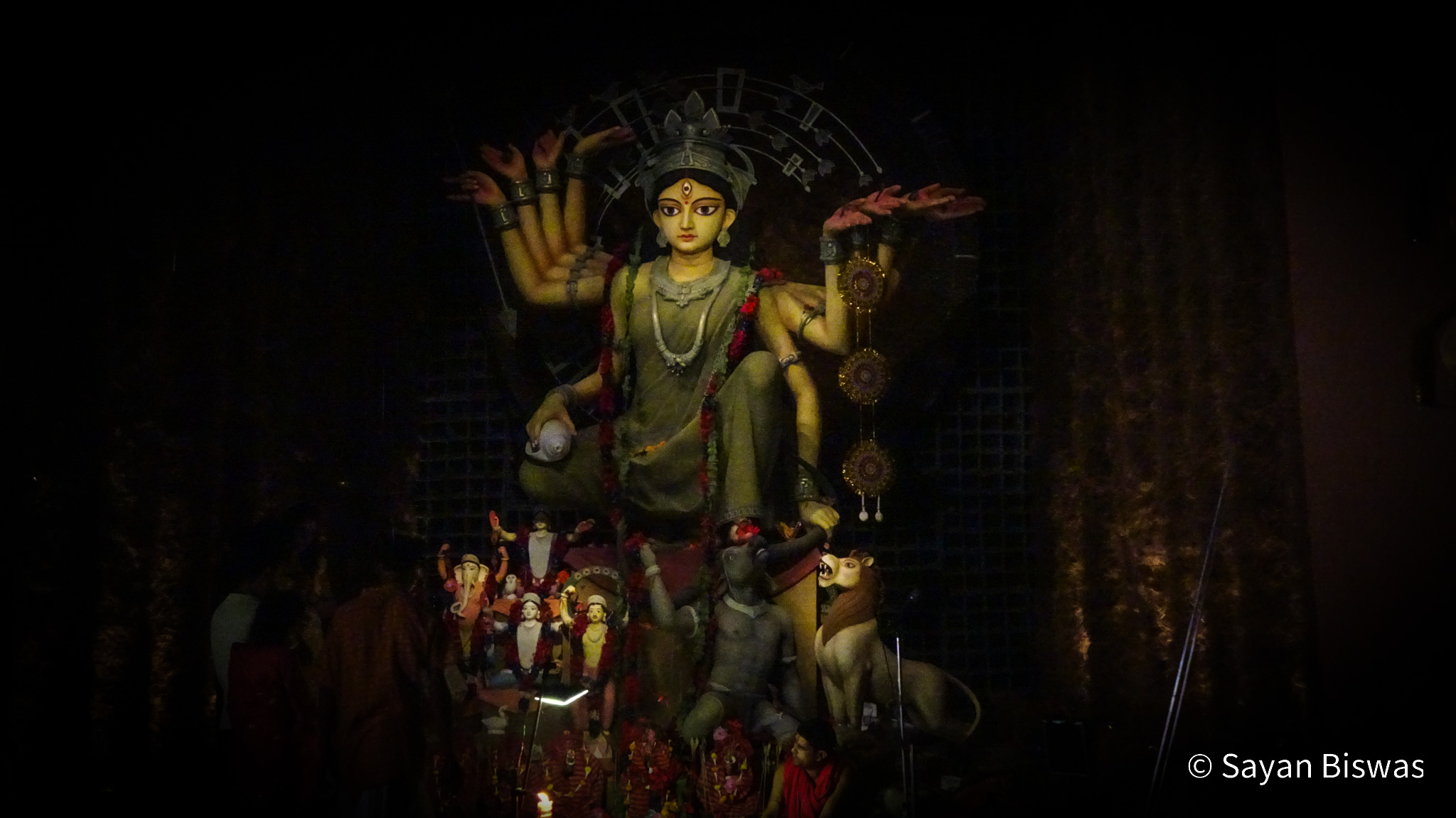

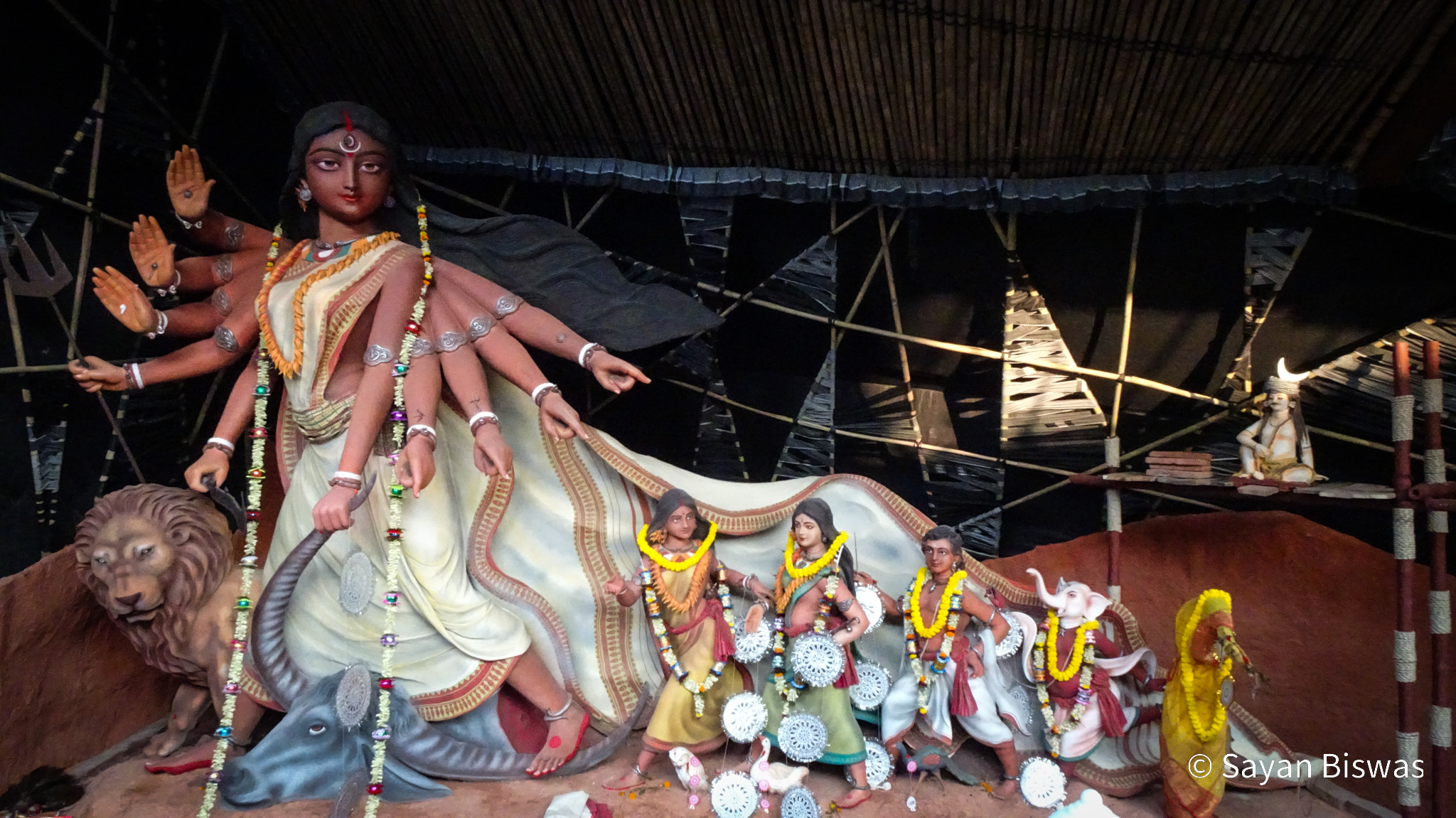
Image Copyright : Sayan Biswas (Request not to use without permission)